How Duolingo Became the Most Unhinged Brand on TikTok
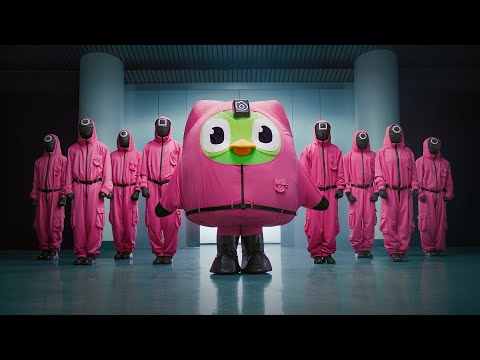
A language-learning app let an owl mascot threaten users, thirst-trap on camera, and mourn a fake death. It became the most-followed brand account on TikTok. Here's what actually happened.

A language-learning app let an owl mascot threaten users, thirst-trap on camera, and mourn a fake death. It became the most-followed brand account on TikTok. Here's what actually happened.

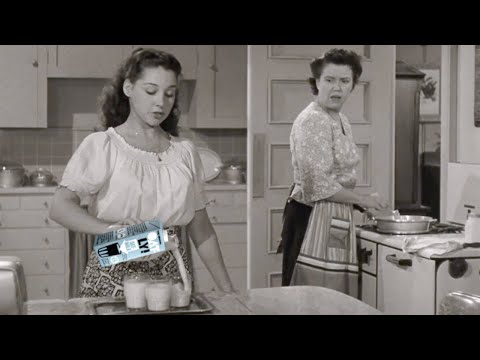
The Swedish oat milk company turned a commodity product into a cultural movement by antagonizing the dairy industry, plastering self-deprecating copy everywhere, and refusing to act like a normal brand.

Mike Cessario bet that a tallboy can of mountain water with a skull logo could outsell Evian. He was right, and the marketing playbook he used broke every rule in CPG.

TikTok trained an entire generation to consume content in 15-second bursts. Now completion rates are falling, creators are burning out, and audiences are quietly migrating to longer formats.
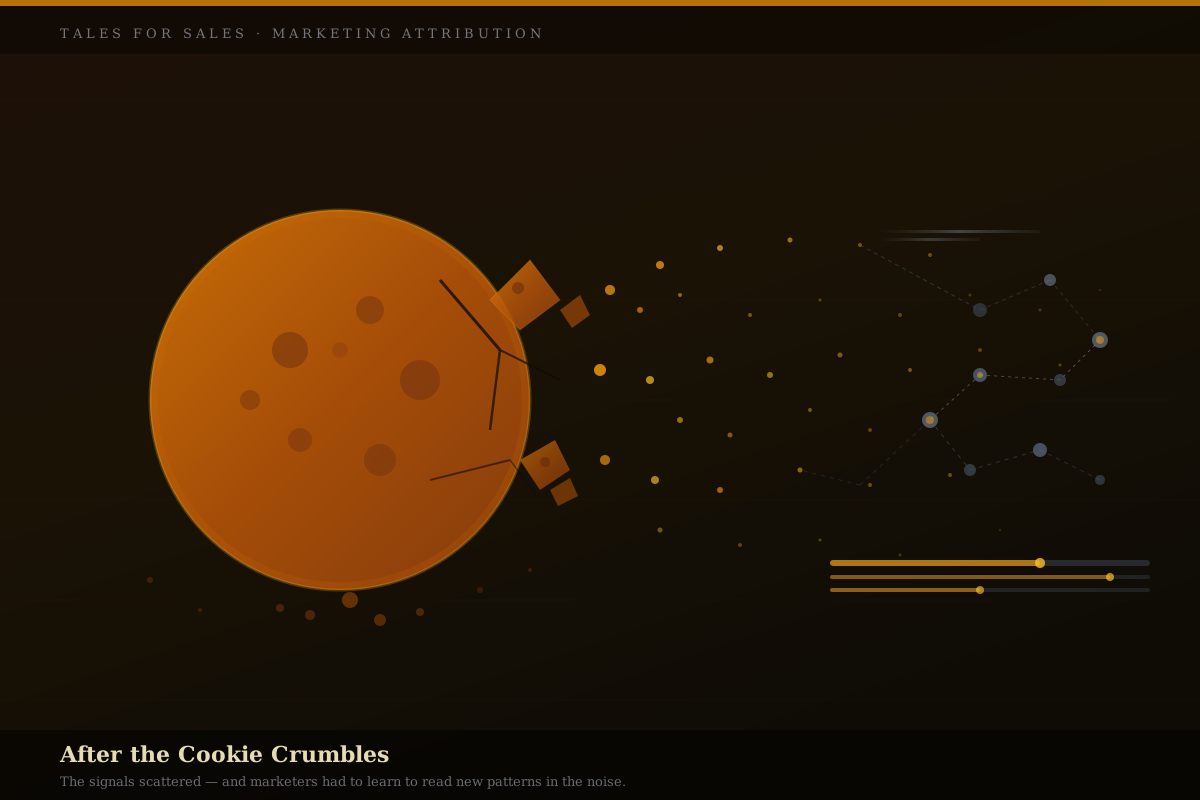
Third-party cookies are gone. Apple killed cross-app tracking. The attribution models that justified billions in ad spend have collapsed. Here is what smart brands are doing instead.
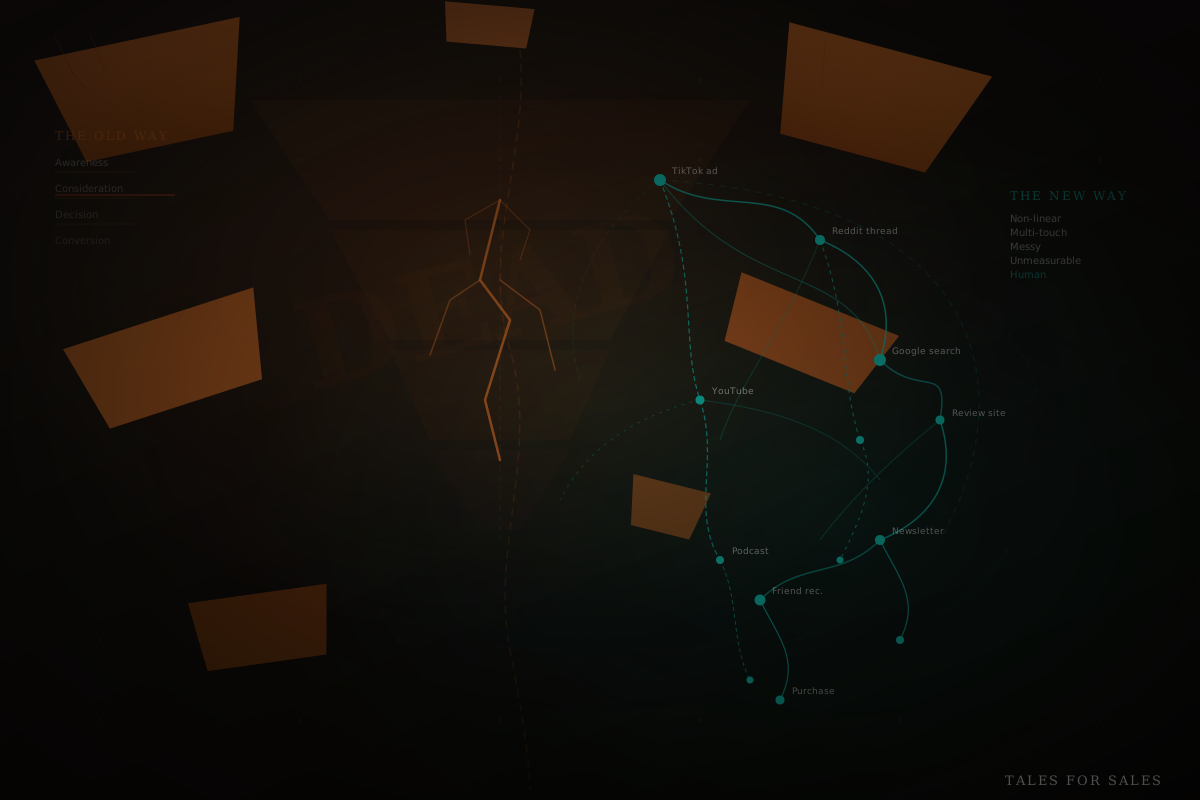
For a century, marketers organized their world around a tidy funnel: awareness, consideration, purchase. The actual customer journey looks nothing like that anymore.
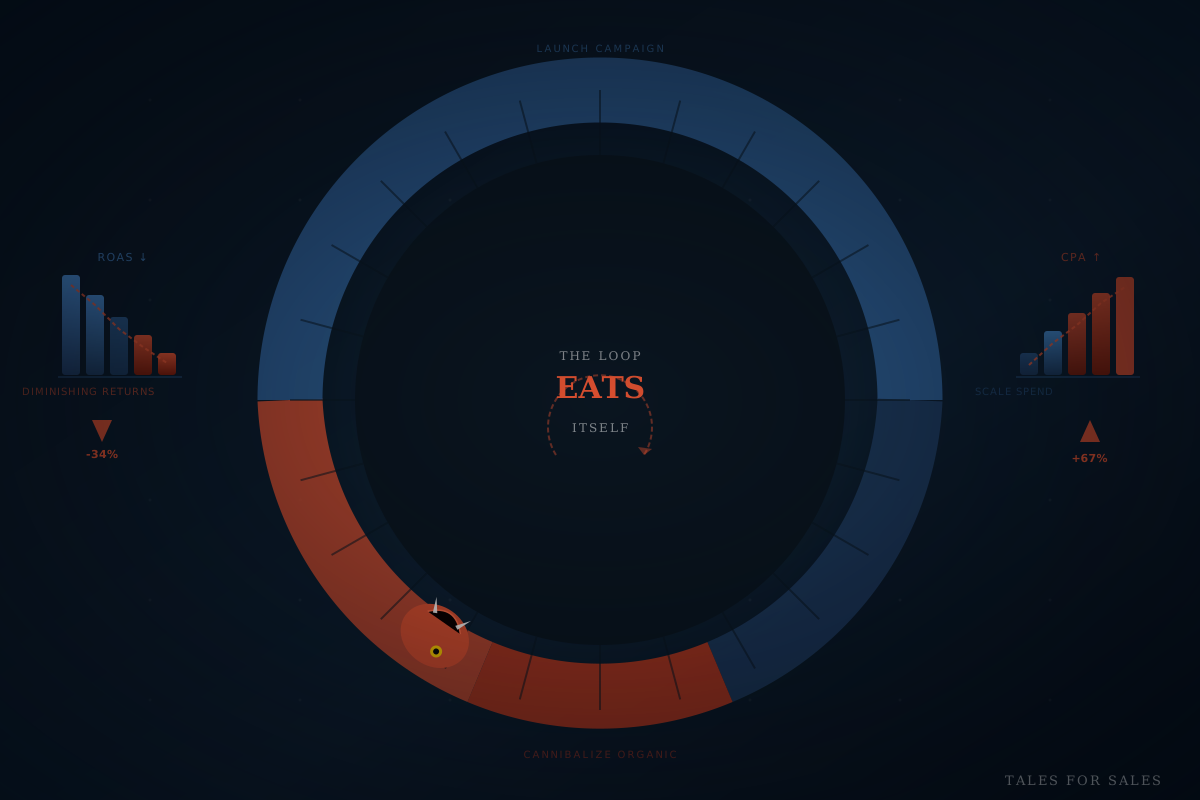
The channels that promised measurable ROI on every dollar are getting more expensive, less effective, and harder to attribute. The math that built a generation of D2C brands no longer works.
One weekly email. The best marketing stories, campaigns, and insights — no fluff, no spam.
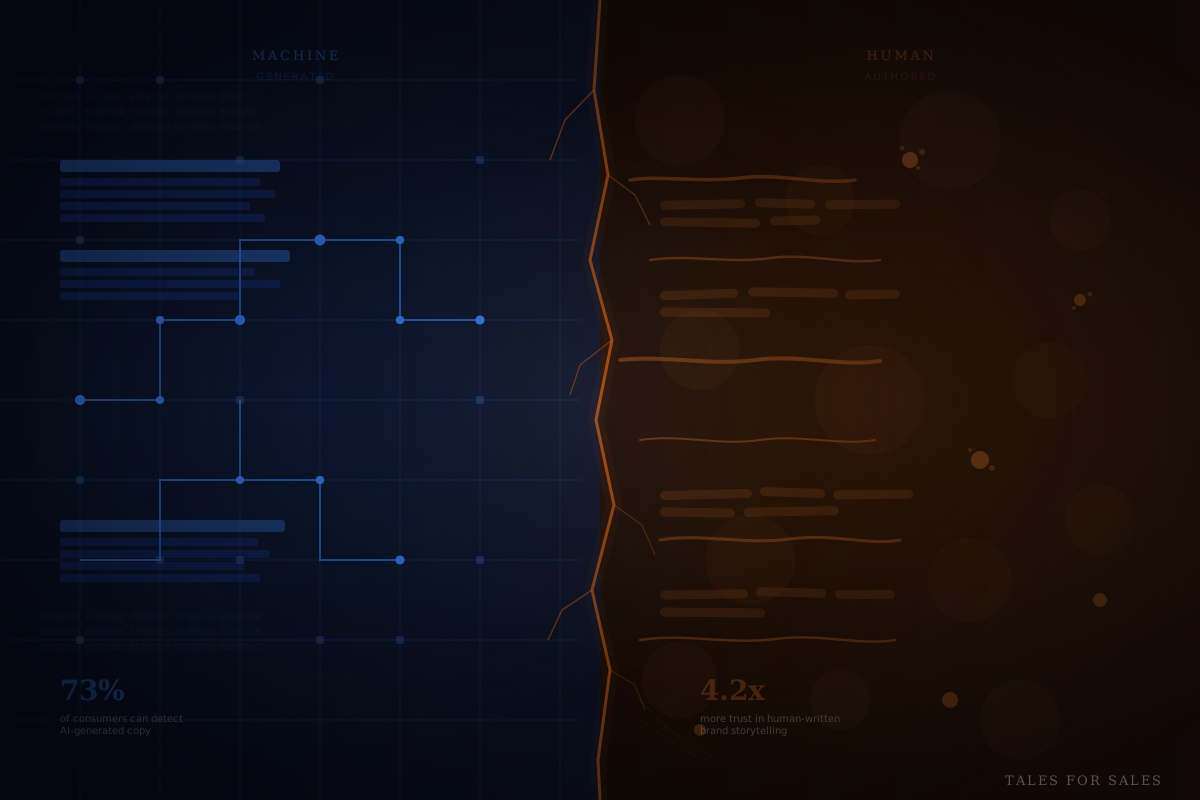
Brands rushed to publish AI-generated blog posts, social content, and ad copy at scale. Consumers noticed. The trust penalty is larger than most marketers realize.

TikTok trained an entire generation to consume content in 15-second bursts. Now completion rates are falling, creators are burning out, and audiences are quietly migrating to longer formats.
Red Bull built a media company. Shopify launched a magazine. Stripe publishes long-form journalism. The smartest brands realized they should stop renting audiences and start owning them.

The Swedish oat milk company turned a commodity product into a cultural movement by antagonizing the dairy industry, plastering self-deprecating copy everywhere, and refusing to act like a normal brand.
Emily Weiss turned a beauty blog into a billion-dollar brand by listening to her audience. Then the brand stopped listening. The rise, stumble, and reinvention of Glossier is a cautionary tale for every community-led company.
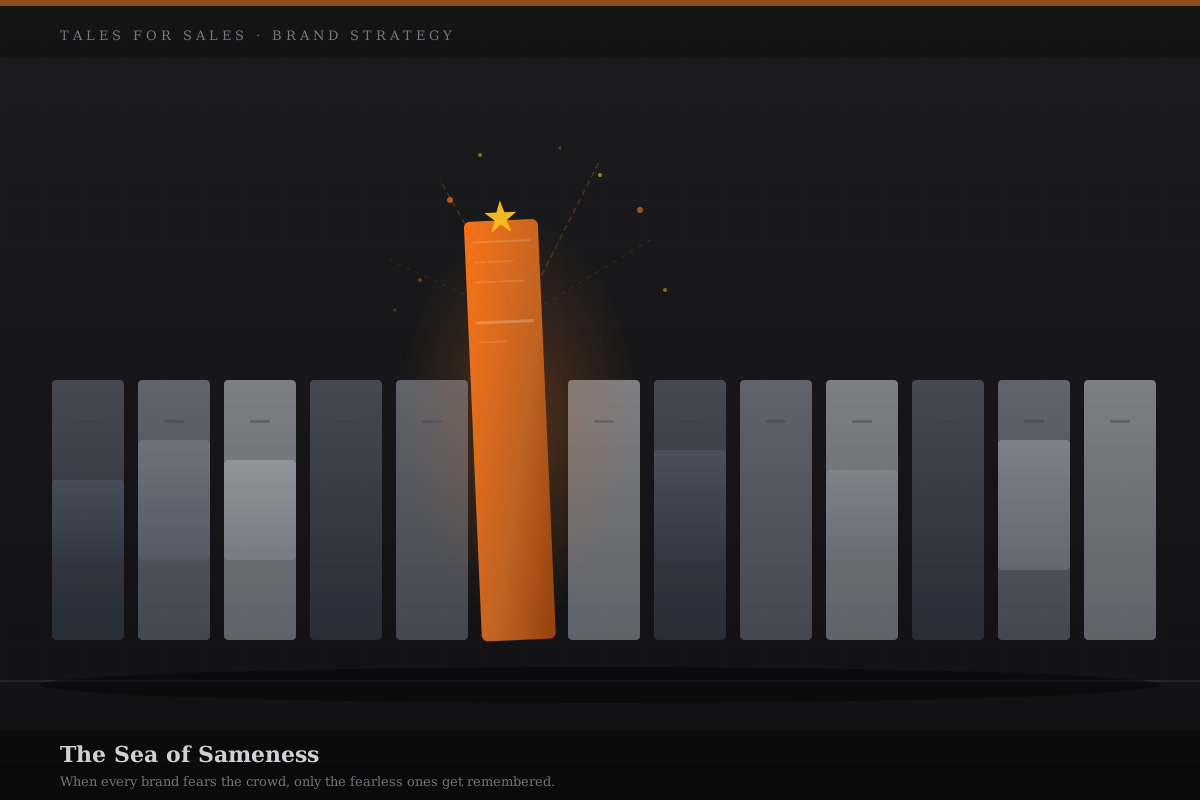
Fear of backlash has pushed most brands into a narrow band of safe, inoffensive communication. The result: a sea of sameness where no brand says anything memorable. The companies winning now are the ones willing to be disliked.
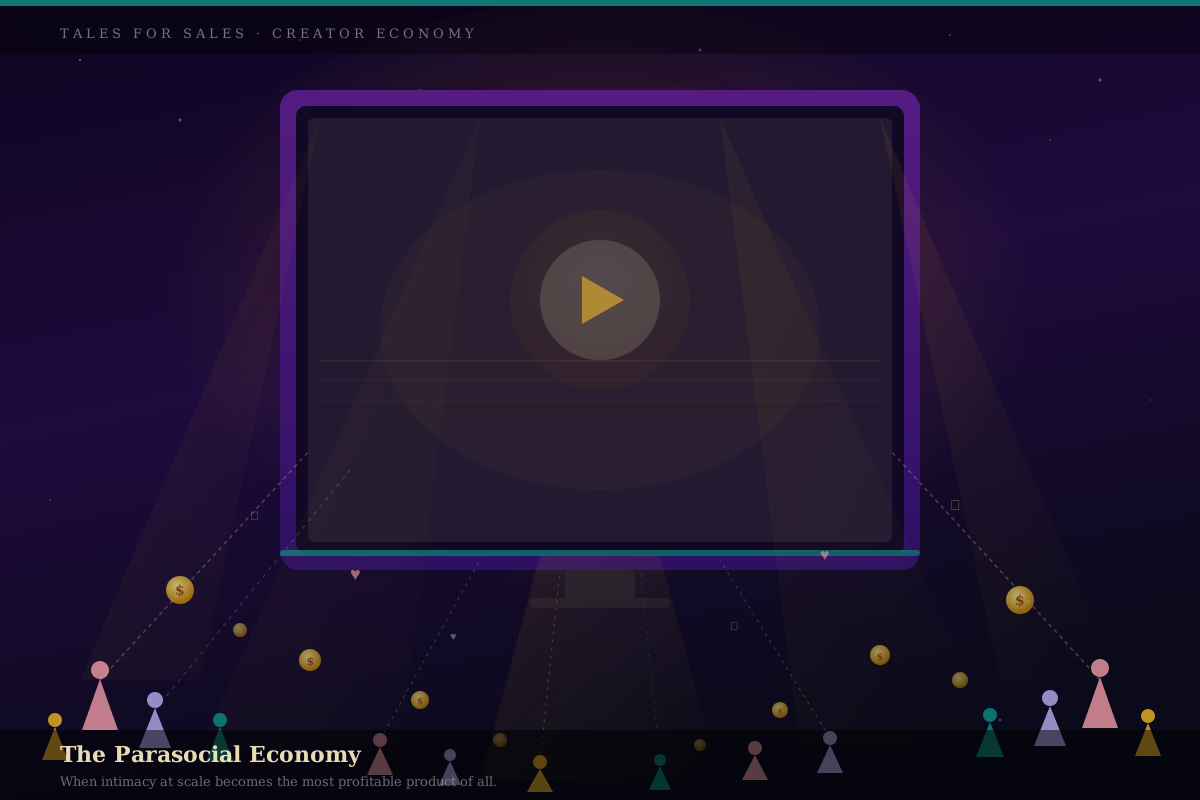
From Patreon to merch drops to paid Discord servers, the creator economy runs on one-sided emotional relationships. What happens when the audience figures out the intimacy was always a product?
A generation raised on influencer scandals and targeted ads has developed a radical trust hierarchy: anonymous Reddit users rank above Fortune 500 marketing departments. Here is why.